
In the history of swimming, many swimmers face challenges due to shoulder issues, and sadly some had to end their careers with underperforming results. Other than natural imbalances in our body—as we may already know—daily habits such as sitting for too long in unfavourable positions (slumped shoulders, rounded back, and closed hips) are some of the negative contributors to our less-than-ideal posture.
It is never too late to start strengthening and correcting our weakened posture. By improving our shoulder mobility, it also means our swimming posture and alignment will be corrected and eventually result in better technique and faster swimming.
Here are three mobility exercises for you to practise regularly with mindfulness. As each of our physical limits varies, it is best to consult your coach/personal trainer before trying these movements, to prevent yourself from getting hurt.
Shoulder Pass-through, using a dowel
Pass-through is a simple and effective warm-up exercise for general shoulder mobility. The aim is to get your grip narrower, with hands gripping closer as your shoulder mobility progresses.
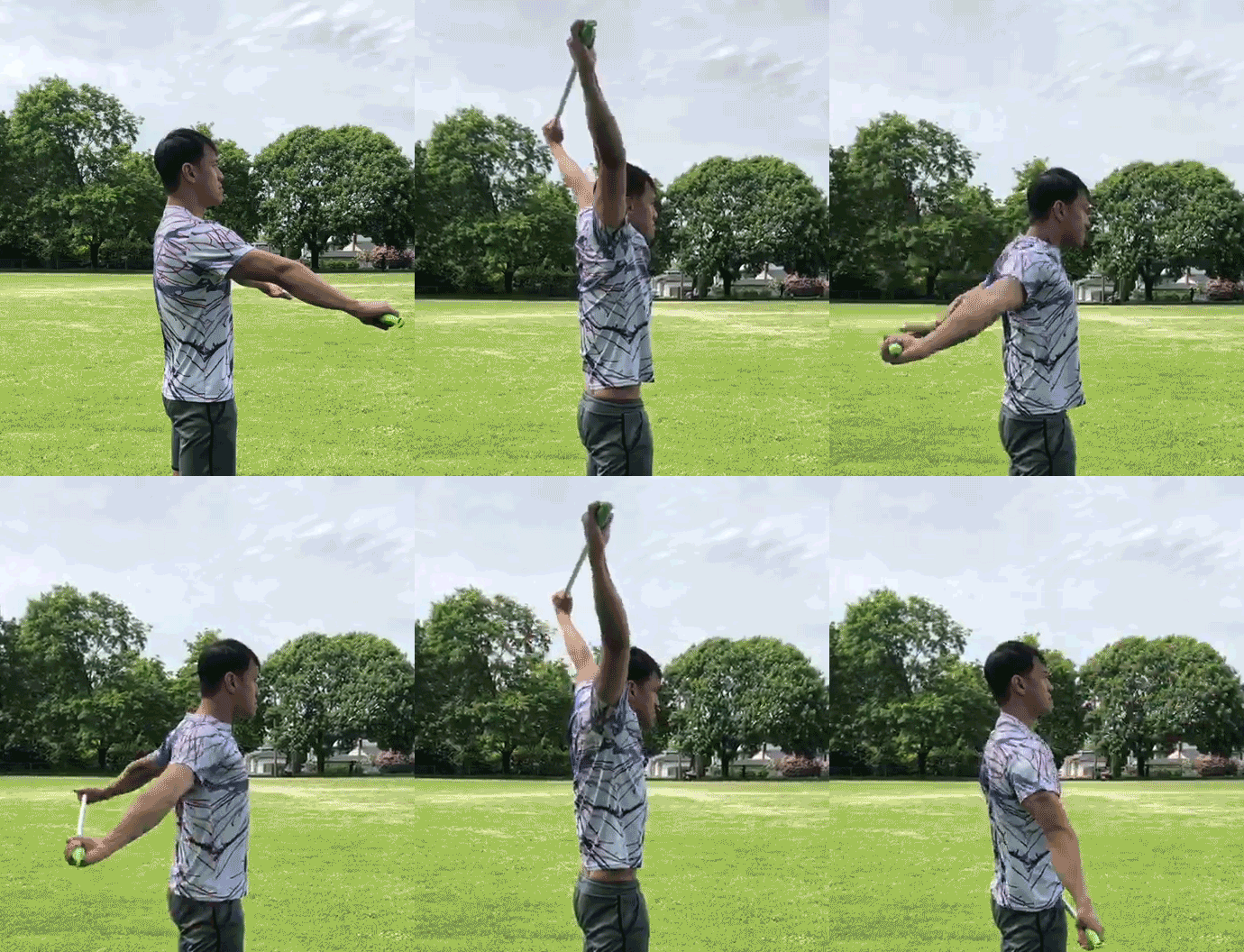
- With straight arms holding onto the ends of a wooden dowel—depending on your shoulders’ range of motion—dynamically activate the prime movers of the shoulders and scapula throughout the movement.
- Bring the dowel from the front to the back by lifting arms overhead, elevating shoulders and rotating internally to lower arms down to hips.
- Reverse the movement and bring the dowel back to the front, keeping in mind to elevate your shoulders.
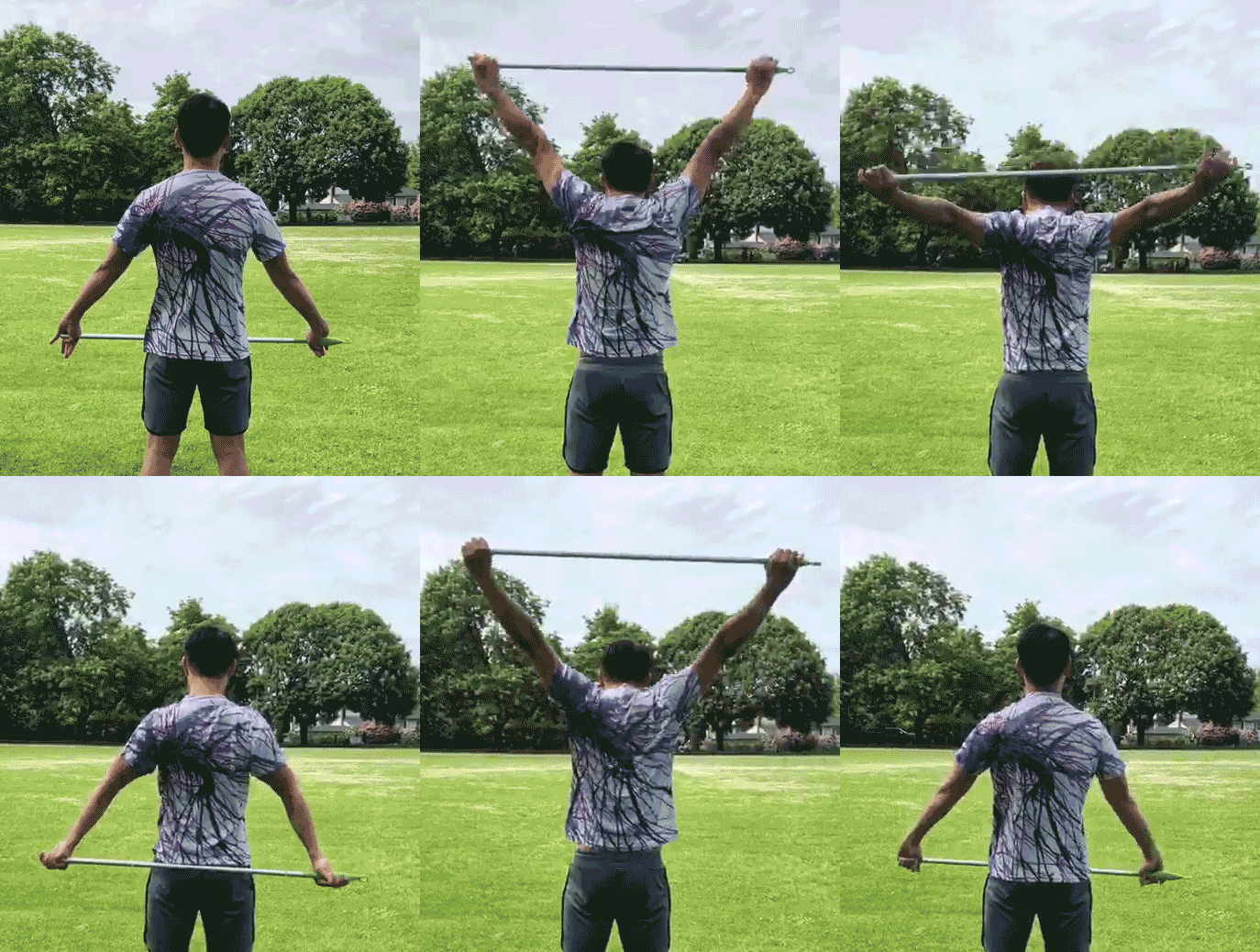
If you don’t have a wooden dowel, look around the house and be creative, as long as the prop has sufficient length. A broomstick could work and in this case, I’m using the pole from my Swiffer.
You might wonder, why not use a rubber strap instead of a wooden dowel? Well, a rubber strap creates tension and takes out the focus on learning the full-range movement. I prefer using a dowel as it’s easier to measure progress and to focus on the movement.
Begin with 3-5 sets / 12-15 reps.
Thoracic Bridge
With proper progression, this mobility exercise benefits not only athletes but anyone who is suffering from upper stiffness and lower pain, especially if you spend most of time sitting down. This exercise is simple enough to adapt as there is no additional prop or equipment required — some called this the 30-second mobility cure!
Keep in mind that the goal here is to increase your thoracic extension and to open up the shoulders (shoulder flexion). If this is attempted incorrectly, the pressure applied on the lower back (lumbar spine) can lead to a lower back pain/injury.
Consider warming up your wrist prior to performing this exercise and your way up from these simple progressions:
- Tabletop position
- Open shoulders using a wall
- Elevating the feet
- Full bridge
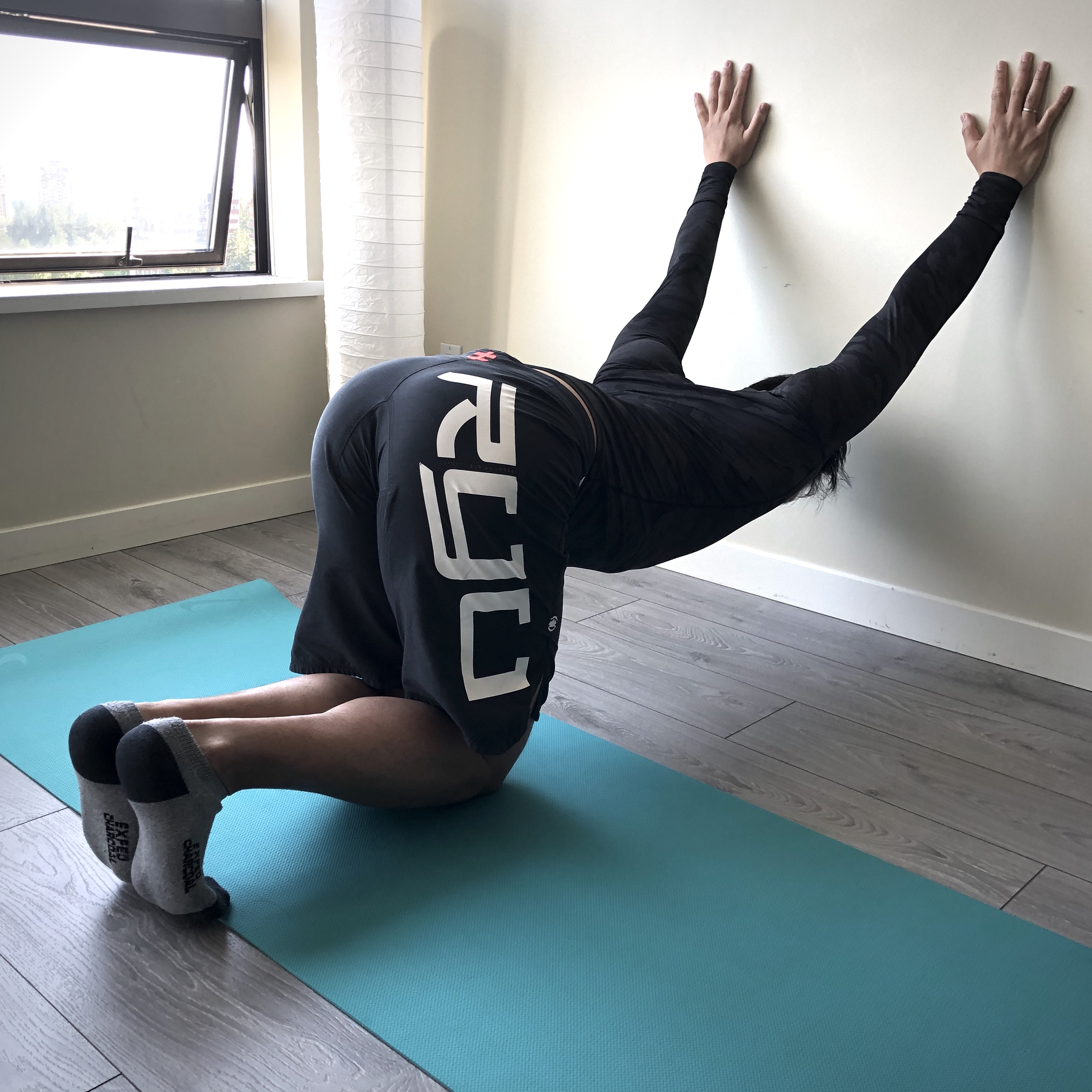
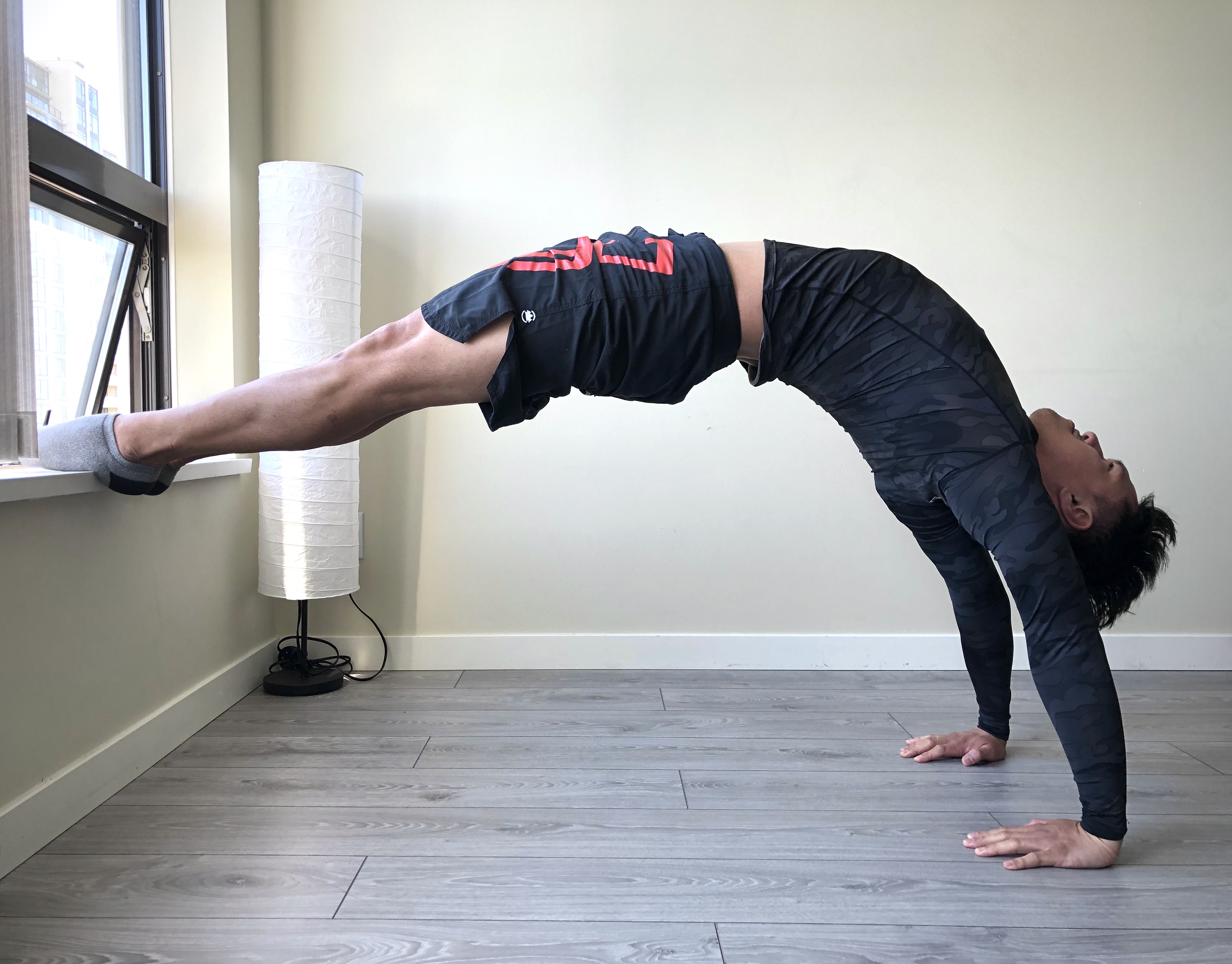
Begin with 3-5 sets / 15-30 secs
Skin The Cat, using Gymnastics Rings
While Skin the cat is commonly practised in gymnastic strength training, it is a simple way to be primarily working on lats, triceps and abdominal muscles for non-gymnasts, achieving stronger and more flexible shoulders.
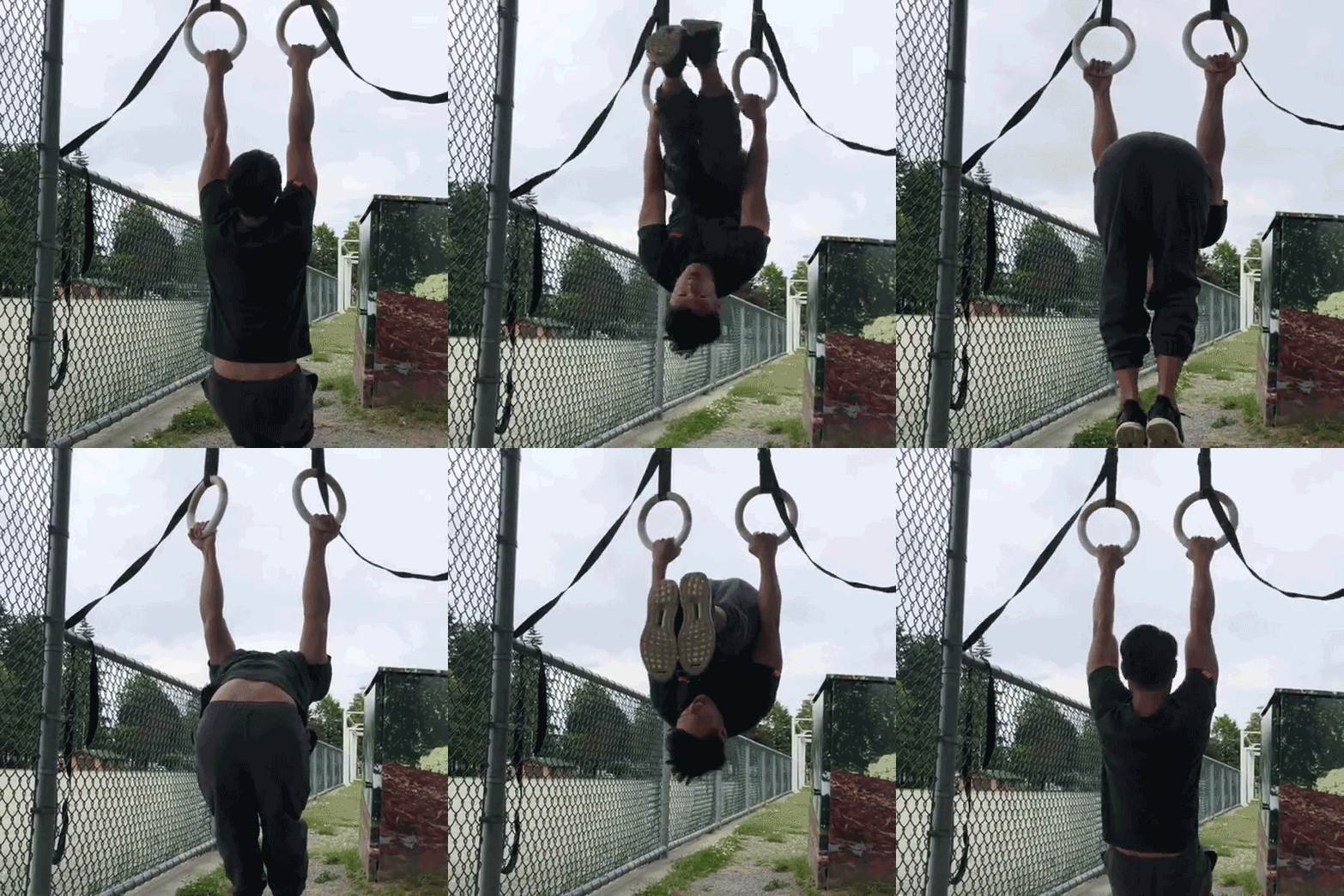
This movement can be practised using a straight bar. I prefer using rings as they offer more freedom of movement around my shoulders, work better for my wrists and can be adjusted accordingly.
Before jumping into this exercise to attempt the full hanging movement, always remember to do sufficient warm-up for strength and mobility around your shoulders.
To start easy, set the rings lower to have more ground support and stability and adjust wherever needed. You may also begin from a tuck position before progress to attempt this movement with straight legs.
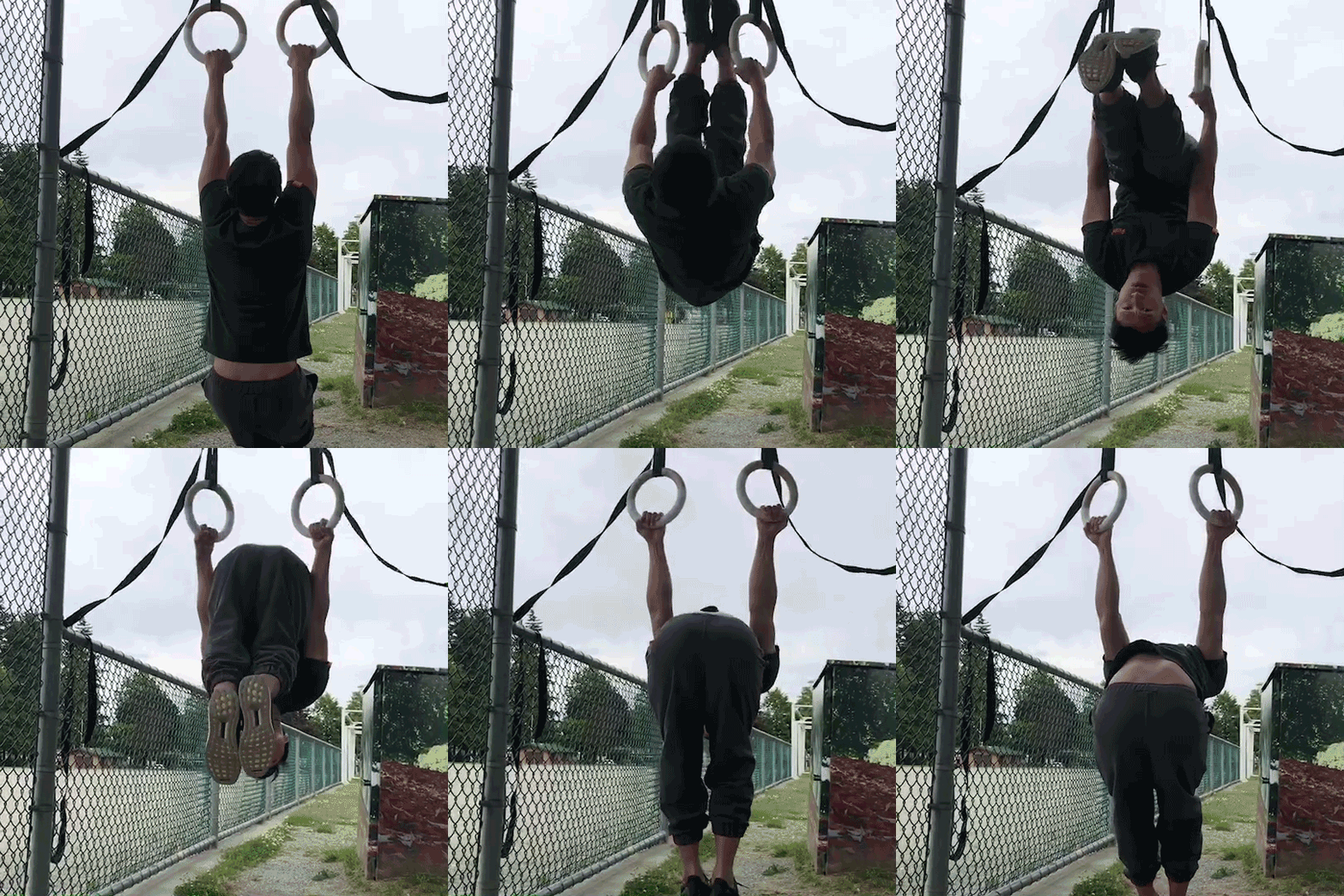
As you develop the movement pattern in the correct way, try setting the rings higher This way, you will require more extension through the shoulders and strength to press through. With continuous progression over time, you will be able to execute the full range of motion and enjoy the benefits of this exercise.
Make sure to maintain control of the movement throughout, and ensure that you have developed enough strength and range of motion prior to increasing the intensity of the exercise as this could lead to injury.
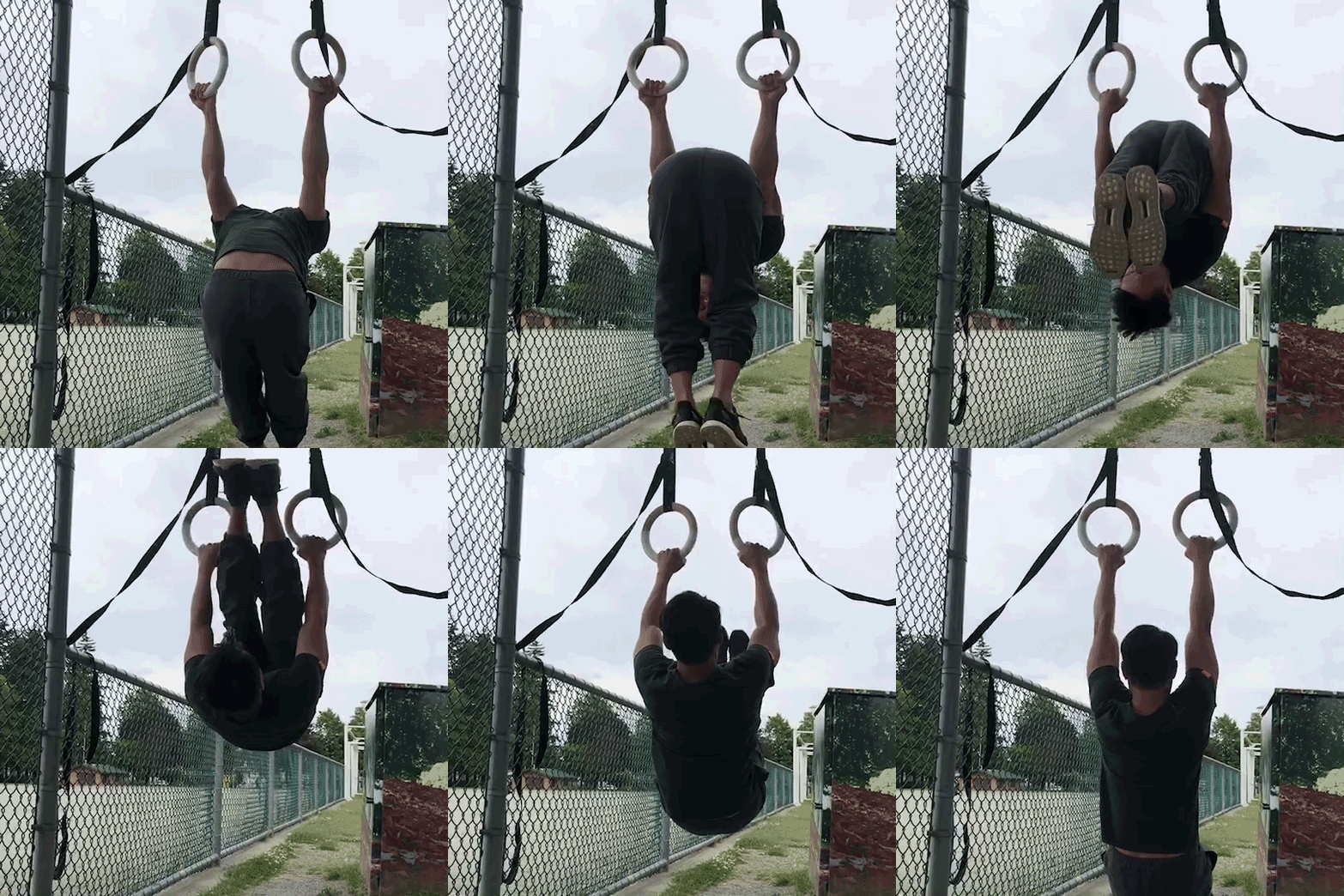
Begin with 3-5 sets / 3-5 repetitions.
The hardest step is the first step. Start gradually with caution for all three exercises.
Mobility does not improve overnight and forcing yourself to increase difficulty too quickly can do more harm than good. From there, consistency and patience will reap the benefits for safe and long-term improvement.

 zoomswim.com
Leave a comment